After Christmas Winter Decor: What to Keep Up Until March
The day the tree comes down, most rooms feel suddenly empty. The ornaments go back in their boxes, the lights come off the windows, and the living room looks the way it did in September, just darker.
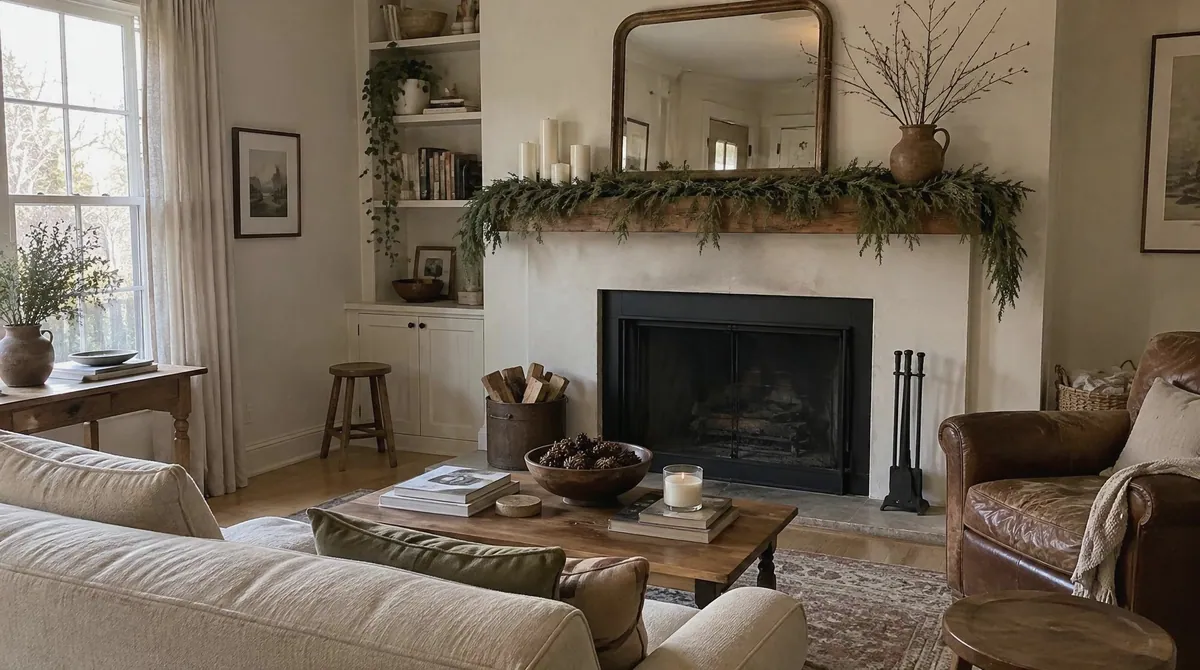
It doesn’t have to go all the way back. Most of what made the room feel warm in December wasn’t the red ribbon or the ornaments. It was the greenery, the candles, the extra lamps and the soft things on the sofa. Those can stay. Taken together, they turn Christmas decor into winter decor that lasts until the first warm week of March.
After Christmas Winter Decor Is Mostly Subtraction
The easiest way to decorate for winter after Christmas is to take away rather than add. Remove what says “holiday,” like red, gold, ornaments and anything with words on it, and leave what says “season”: green, white, wood, wool and light.
Most rooms need nothing new. A box for the ornaments and an hour of editing is enough.

1. Keep the greenery, lose the red
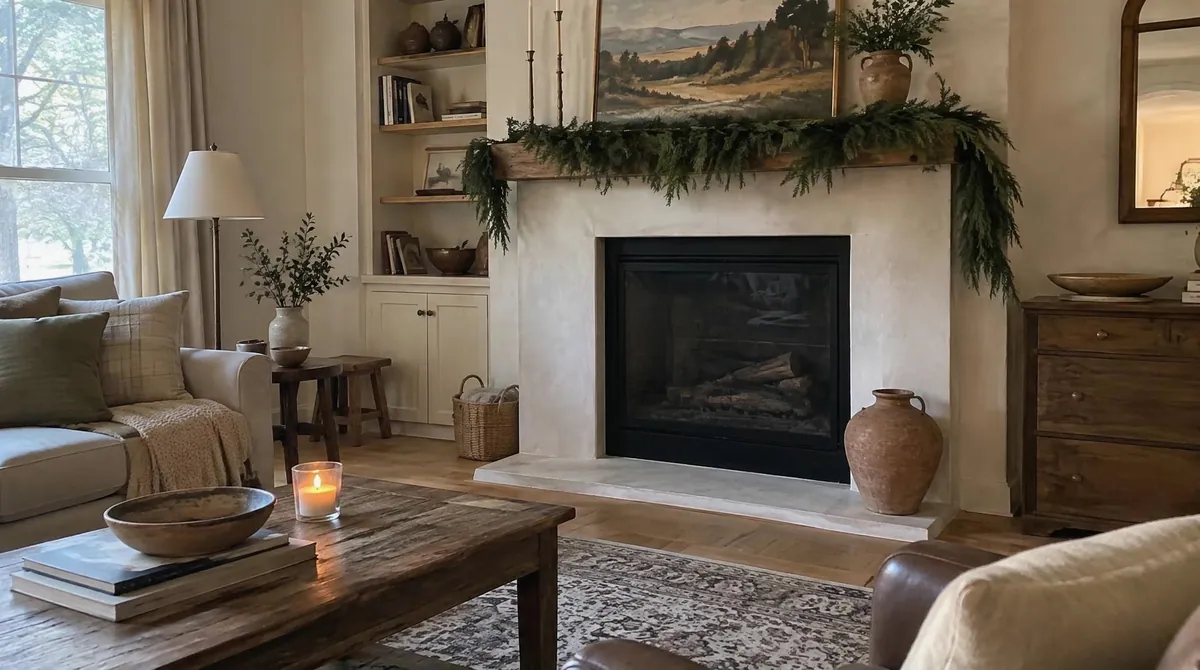
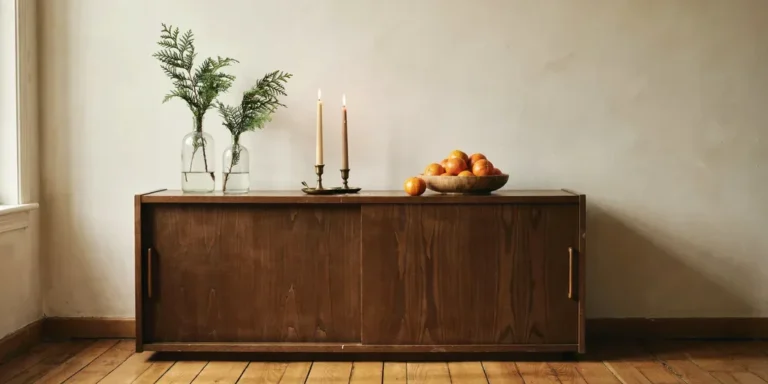
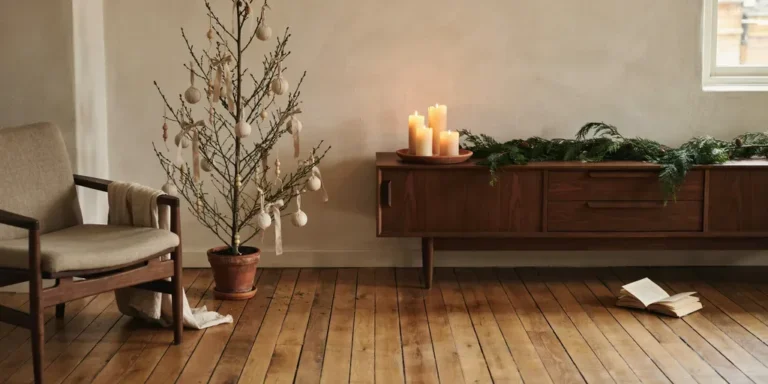
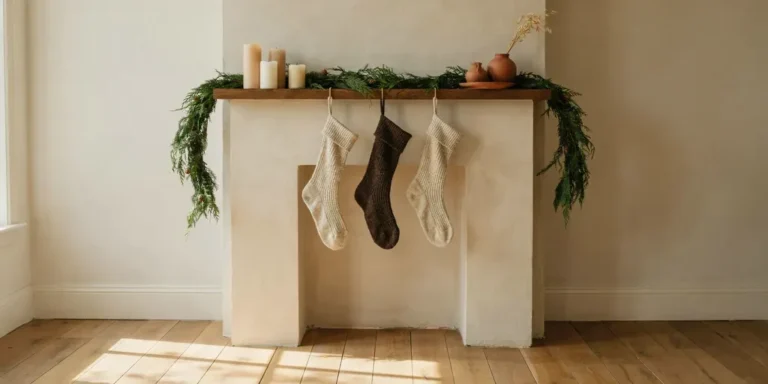
A cedar or pine garland looks festive with red berries and velvet bows and wintry without them. Take off the ribbon, ornaments and anything sparkly, and leave the plain greenery on the mantel or staircase.
Real garlands dry out within a few weeks, especially near heat. When yours turns brittle, replace it with a good faux one in muted green, or swap it for eucalyptus, which dries gracefully and keeps its color.
2. Swap ornaments for pine cones
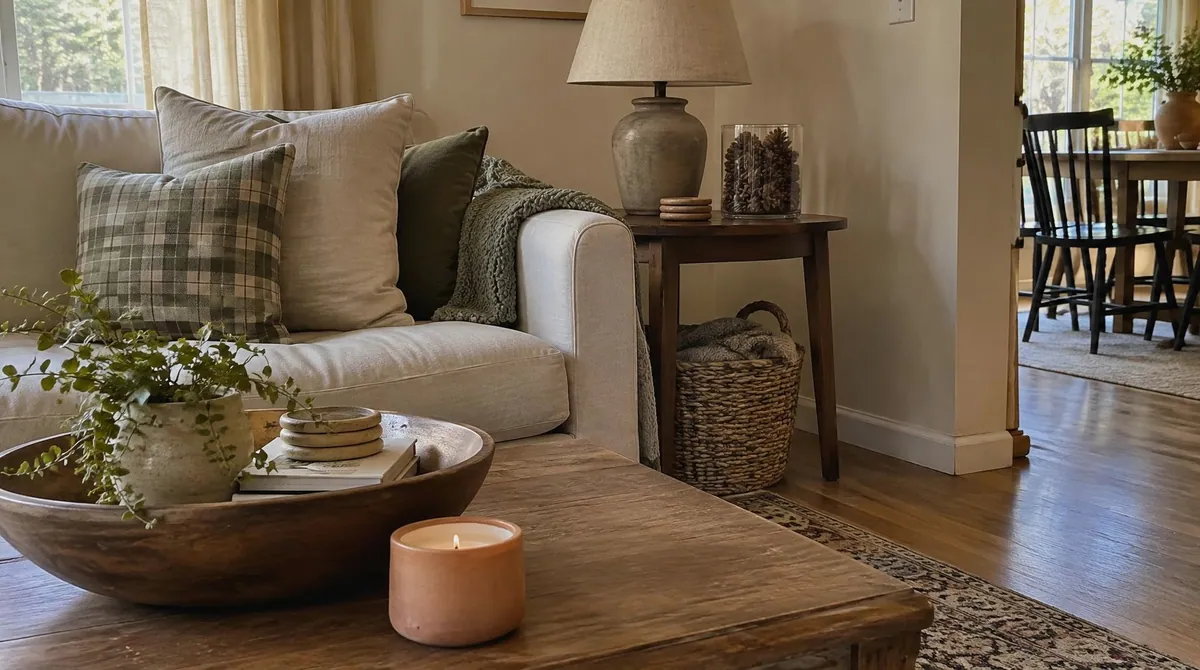
The bowls and vases that held ornaments in December can hold pine cones in January. They have the same texture and shape without the shine.
Collect them on a walk, dry them in the oven on a lined tray at around 200°F for about 30 minutes, and stay close while they bake. A wide wooden bowl on the coffee table or a glass cylinder on a side table is all it takes.
3. White and cream candles
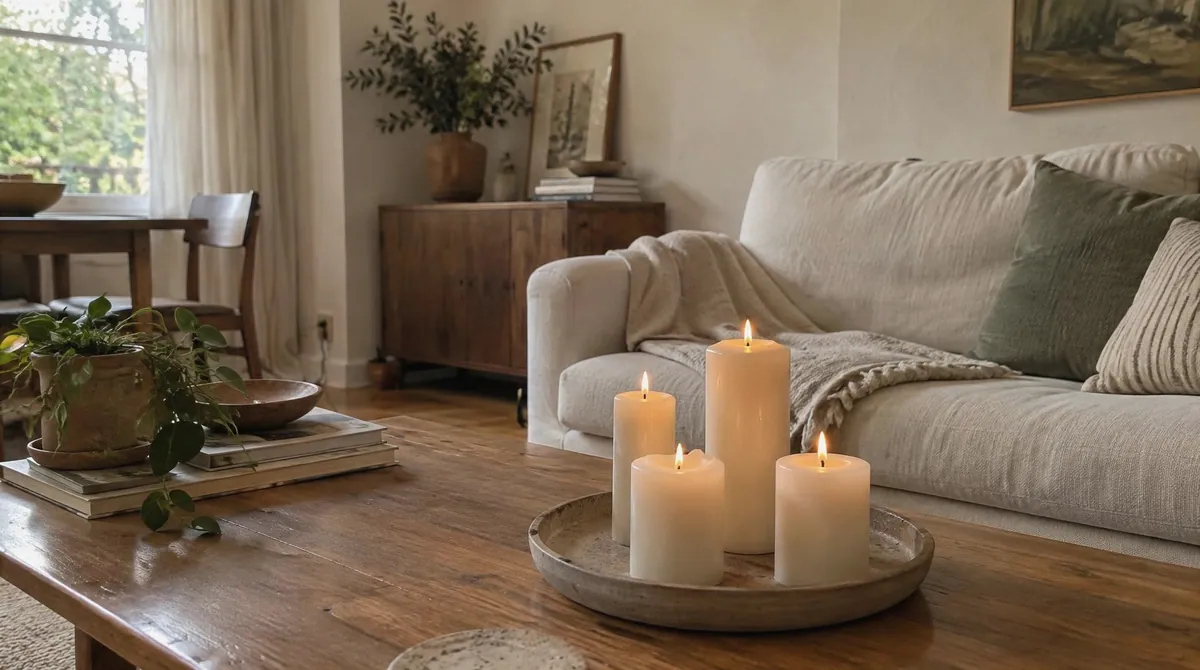
Red tapers look like Christmas until the day they’re blown out for the last time. White and cream candles look like winter for as long as you want them.
Group several of different heights on a tray, on a windowsill away from curtains or down the middle of the dining table. Never leave them burning unattended. If you’d rather not use open flames, LED pillars in the same colors look nearly the same from across the room.
4. Bare branches with nothing on them
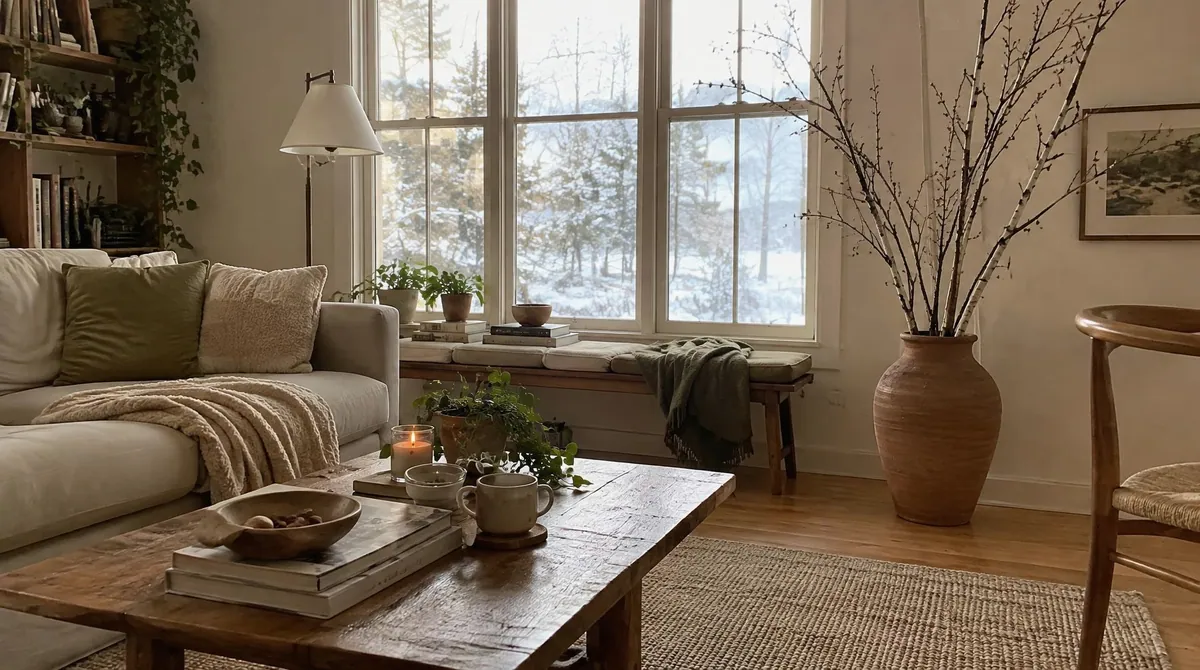
If you hung ornaments or lights on branches in December, take them off and leave the branches. Bare birch, willow or dogwood in a tall jug looks clean and seasonal, and it lasts for months without water.
Fewer is better. Five or six stems reaching about twice the height of the jug fill a corner more calmly than a crowded bunch.
5. Paperwhites in a bowl
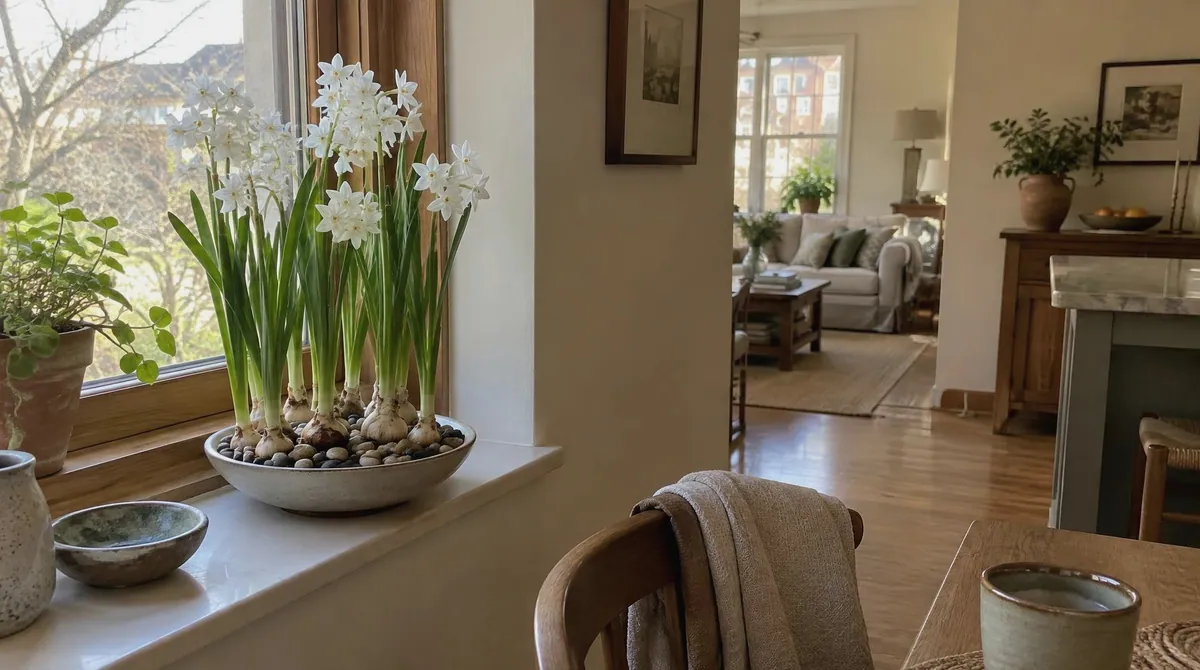
January needs something alive. Paperwhite narcissus grow from bulbs in a shallow bowl of pebbles and water, without soil, and usually flower about four to six weeks after planting. Start a bowl right after Christmas and they’ll bloom in the gray middle of winter.
They have a strong scent that some people love and some don’t. Amaryllis is a good alternative if you’d rather have color without the fragrance. Both are toxic to cats and dogs, so keep them out of reach of pets.
6. Wool throws stay out
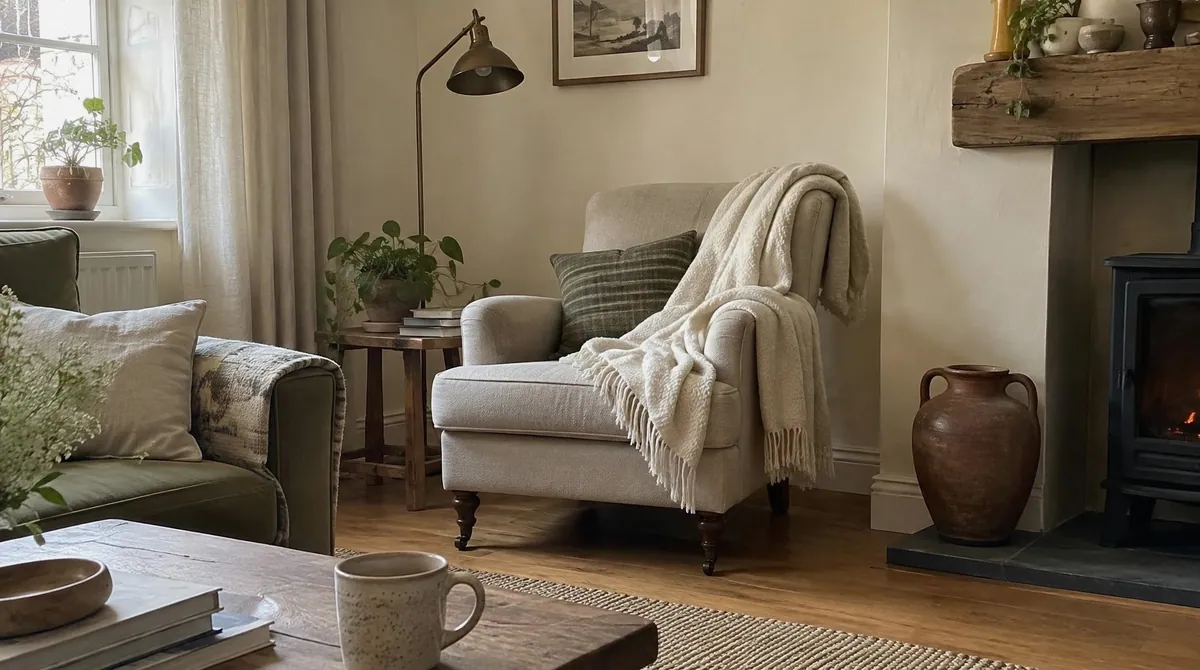
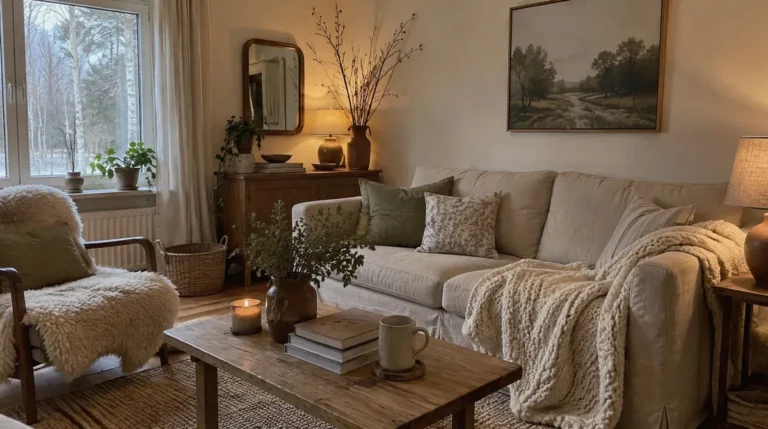
The heavy throws and blankets that came out for the holidays should stay where they are. January and February are colder than December in most of the country, and the sofa needs them more now.
If you used a red or plaid throw for Christmas, swap it for cream, oatmeal or gray. The weight stays; the holiday color goes.
7. A wreath with no bow
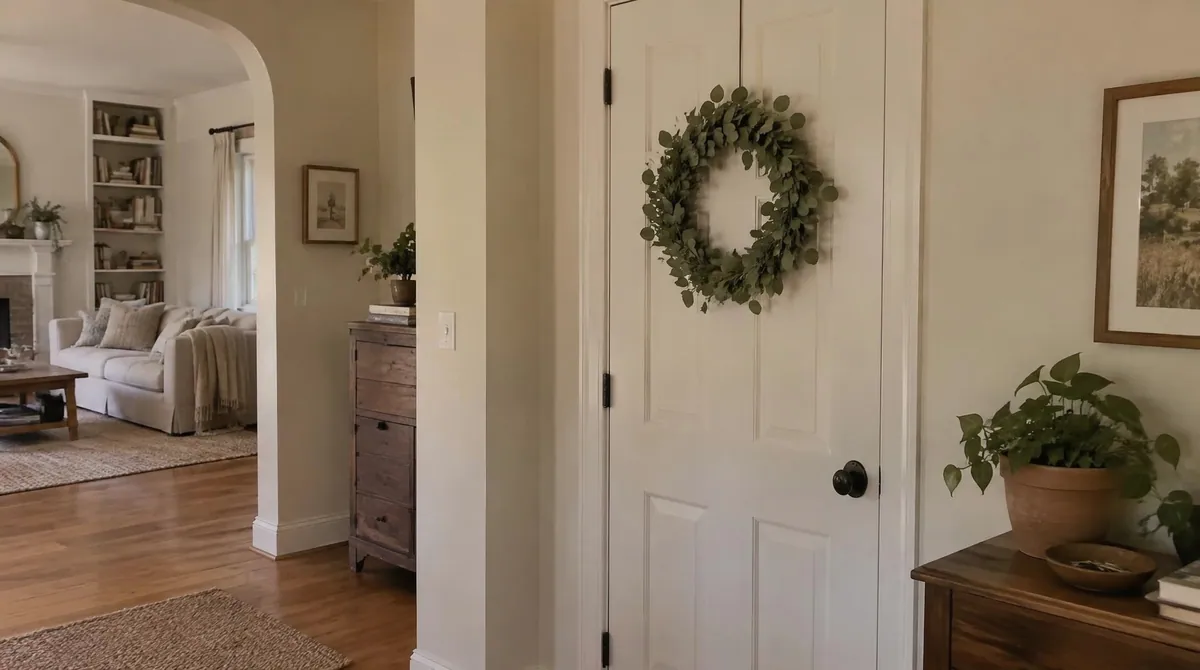
A plain wreath without a bow is a winter wreath. Take the ribbon and ornaments off your Christmas wreath, or hang a simple eucalyptus or olive wreath on an interior door or above a console.
It’s a small change, but it keeps something round and green in the room after everything else has come down.
8. Put the extra lamps to work
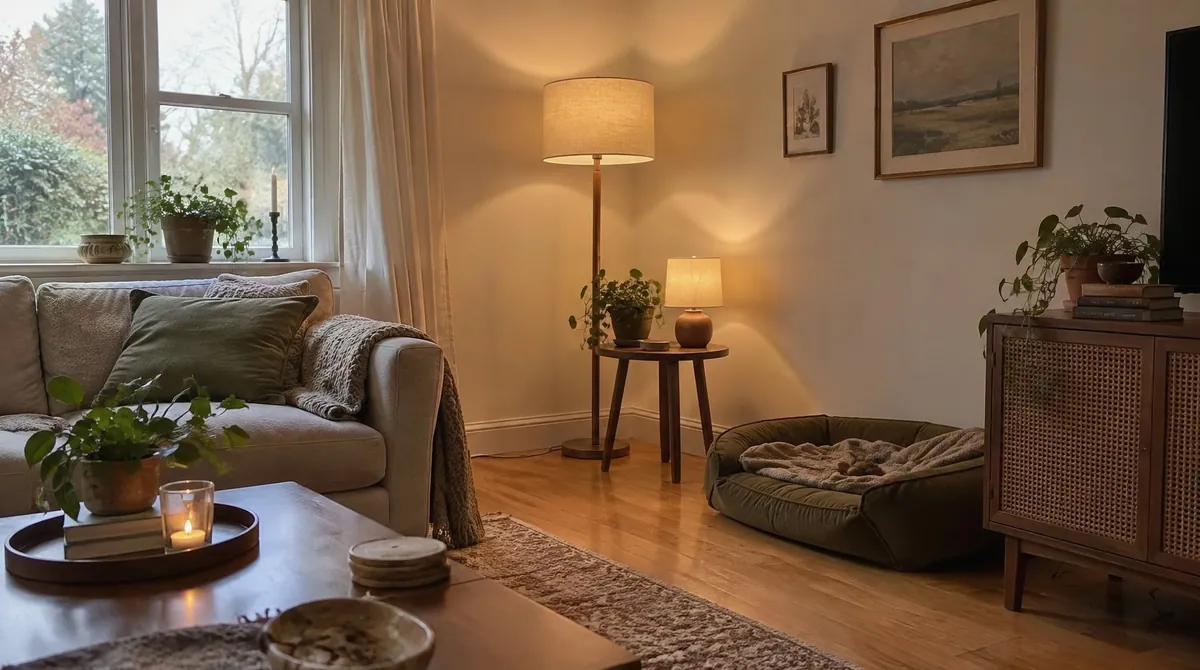
The corner where the tree stood is the corner that will feel darkest in January. Put a floor lamp there, or a small table lamp on a stool, and turn it on in the late afternoon.
If you used string lights on the tree, a short strand in a large glass jar or wound around a branch in a vase gives a softer version of the same glow. Use warm bulbs, around 2700K, and the room will feel close to how it did in December.
The Order We Take Christmas Down In
1. Ornaments and ribbon first. Box them before anything else. 2. Tree out, lamp in. Fill the empty corner the same day. 3. Edit the greenery. Keep what’s still fresh, replace what’s brittle. 4. Swap colors. Red throws, pillows and candles go, cream and gray come out. 5. Plant the paperwhites. They need a few weeks, so start early.
What We Would Skip
“Winter wonderland” decor with fake snow, glitter and white plastic snowflakes. It reads as a second Christmas rather than a quiet winter.
Taking everything down at once and leaving the room bare until spring. That’s when January feels longest.
Buying a new set of winter decor. Almost everything above is already in the house from December.
Where We Would Start
Take the ornaments and ribbons off, leave the greenery and candles, and put a lamp where the tree stood. That’s an hour’s work and it changes the whole feel of the room. For more ideas that carry through the rest of the season, our winter decor ideas for the home go further, and the same palette fits a warm neutral living room all year.
Questions We Get Asked
How do I decorate after Christmas without it looking bare?
Remove only what’s specific to the holiday: ornaments, red ribbon, stockings and anything with words. Keep the greenery, candles, throws and extra lamps. Add pine cones and bare branches where ornaments used to be.
What can I use instead of Christmas decorations in January?
Pine cones, bare branches, plain greenery, white candles, paperwhites, wool throws and warm lighting. They give the same texture and glow without looking like the holidays.
How long should winter decor stay up?
Usually until early or mid March, when the light changes and the first spring flowers appear. Then the heavier textiles can go back into storage.
Can I leave my garland up after Christmas?
Yes. Without ornaments and ribbon, a plain green garland reads as winter rather than Christmas. Replace a fresh one when it dries out, since dry greenery near heat is a fire risk.
What colors work for after-Christmas decor?
Green, white, cream, gray, natural wood and warm brown. Leave out red and gold, which read as holiday colors.
Are paperwhites safe with pets?
No. Paperwhites, like other narcissus, are toxic to cats and dogs if eaten. Keep them out of reach or choose a pet-safe plant instead.