15 Cozy Reading Nook Ideas for a Quiet Corner
Most cozy reading nook ideas are over-designed. Search for one and you get a built-in window seat with bespoke joinery and a cashmere throw, which is lovely and also not happening in a rental this month.
What actually makes a corner readable is smaller than that: a chair at the right height, light coming over your shoulder, and somewhere to put a cup down. Everything else is decoration.
Cozy Reading Nook Ideas That Start With the Chair
1. Sit in it before you style it
Most nooks fail because the chair is too deep or too upright. Before buying anything else, sit somewhere for twenty minutes with an actual book. You will know within ten whether the corner works.
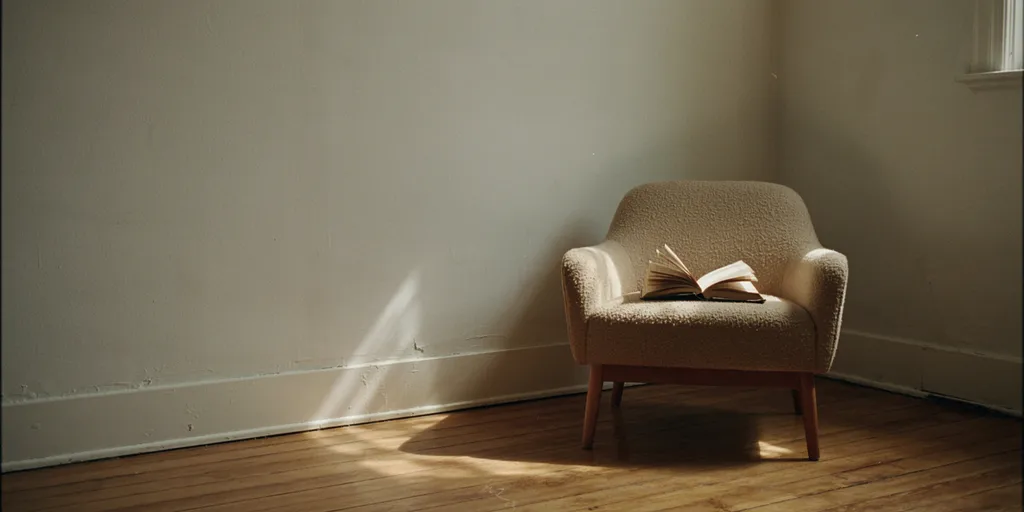
2. Light over the shoulder, not overhead
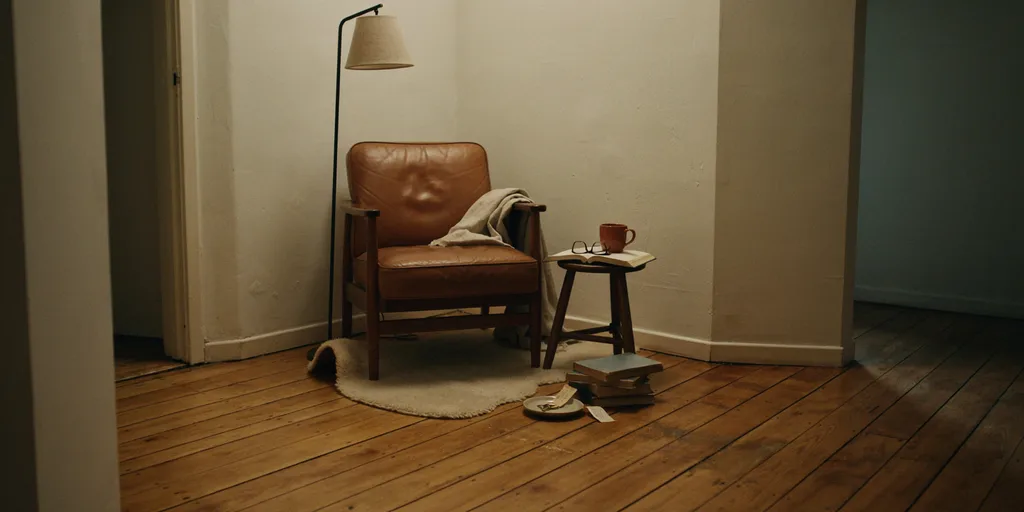
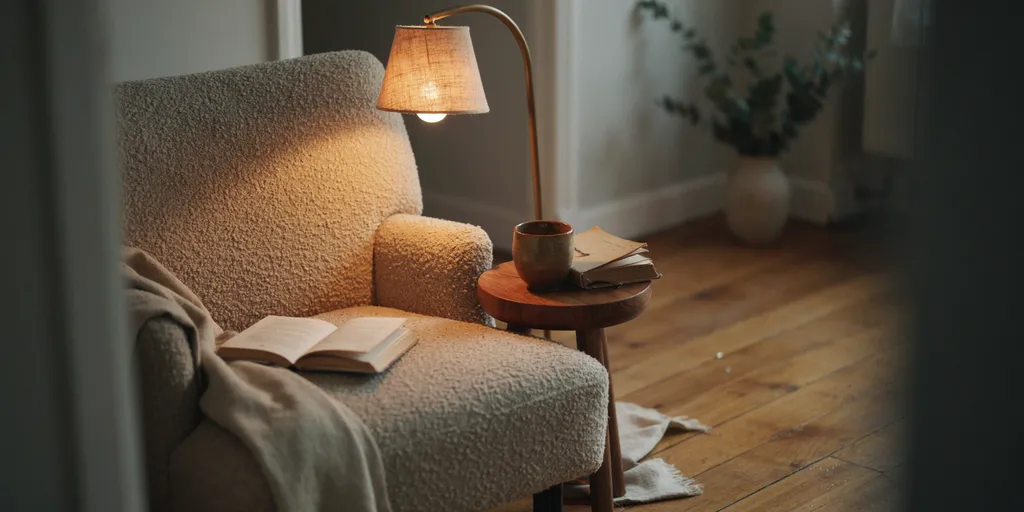
A ceiling light puts your own shadow on the page. A floor lamp behind and slightly to one side does not. This single change turns a nice-looking corner into one people actually use.
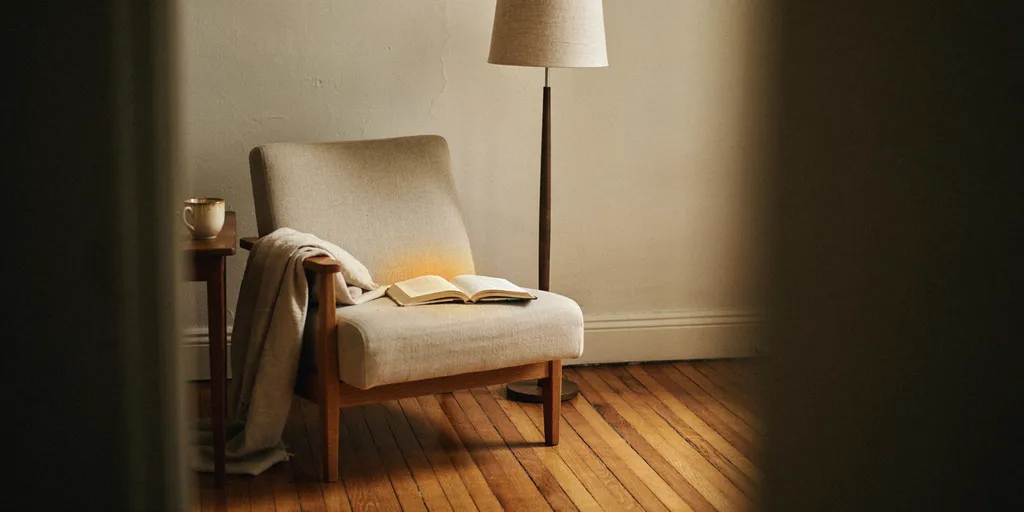
3. A surface at elbow height
Not a coffee table — something small and roughly level with the arm of the chair. A stool works. Without it you end up holding a mug, which means you stop reading.
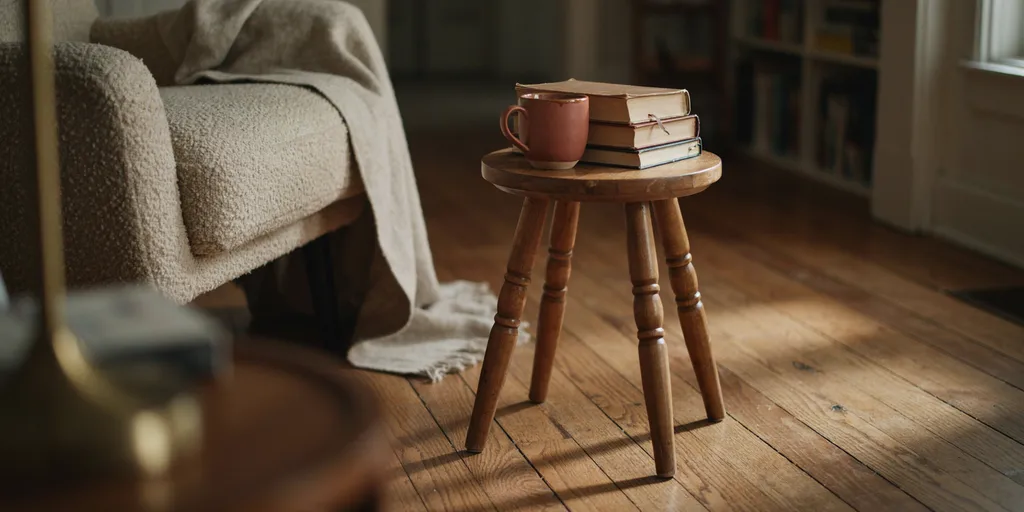
4. Face into the room, not at the wall
A chair pushed nose-first into a corner feels like a punishment. Angle it so you can see the rest of the room, even if the corner is what puts it in shadow.
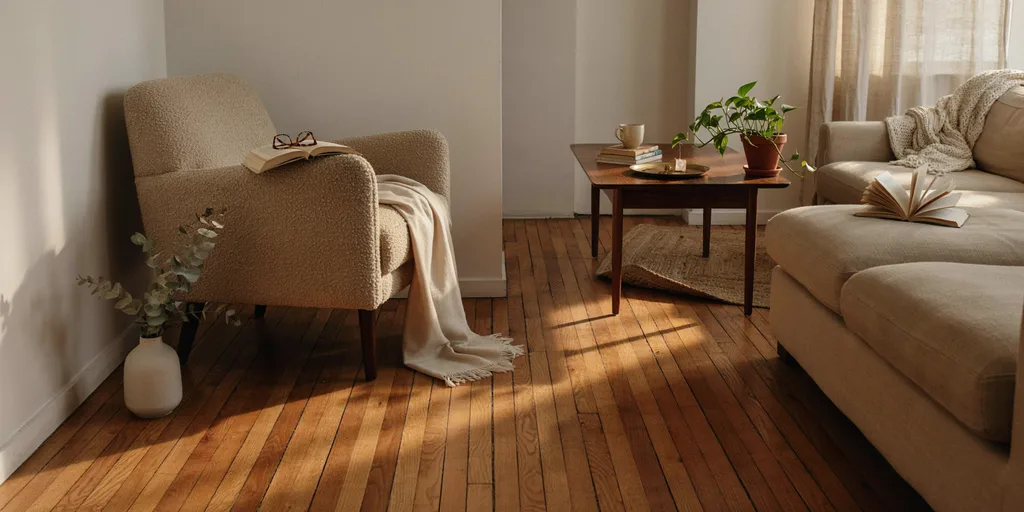
5. Use the window, but not for the light
Reading directly against a bright window is tiring — the page is dark, the glass is blinding. Sit near the window with the light coming from the side instead.
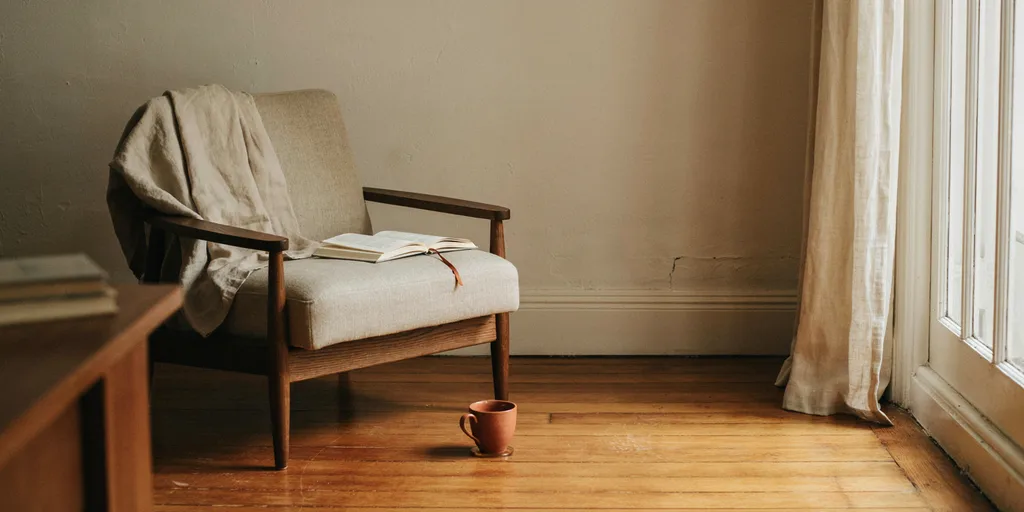
6. One soft thing, not four
A throw, or a cushion. Both and you spend the first minute of every sitting moving things. The photogenic pile of textiles is the enemy of actually using the chair.
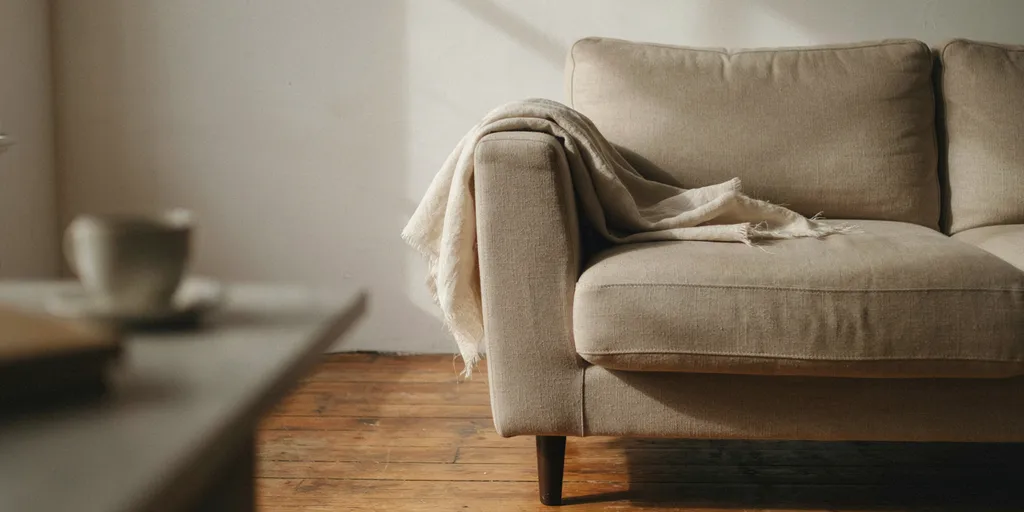
7. Books within reach, not on display
Five or six books you are genuinely part-way through, stacked on the floor or the stool. The pile should look like it is being worked through, because it is. A styled shelf of spines arranged by color is a different piece of furniture with a different job.

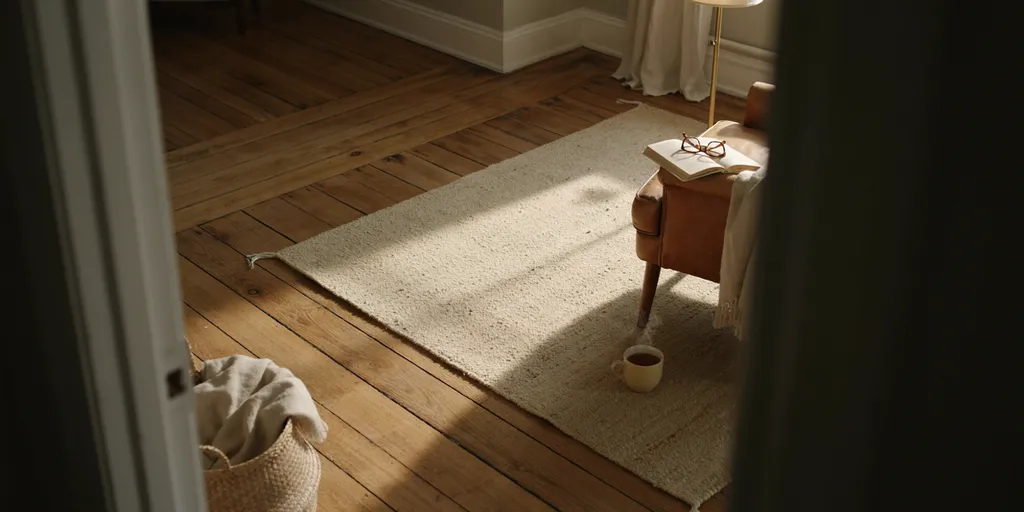
8. A rug to mark the edge
Even a small one. It tells the room that this corner is a separate place, which is most of what makes a nook feel like a nook rather than a chair someone left there.
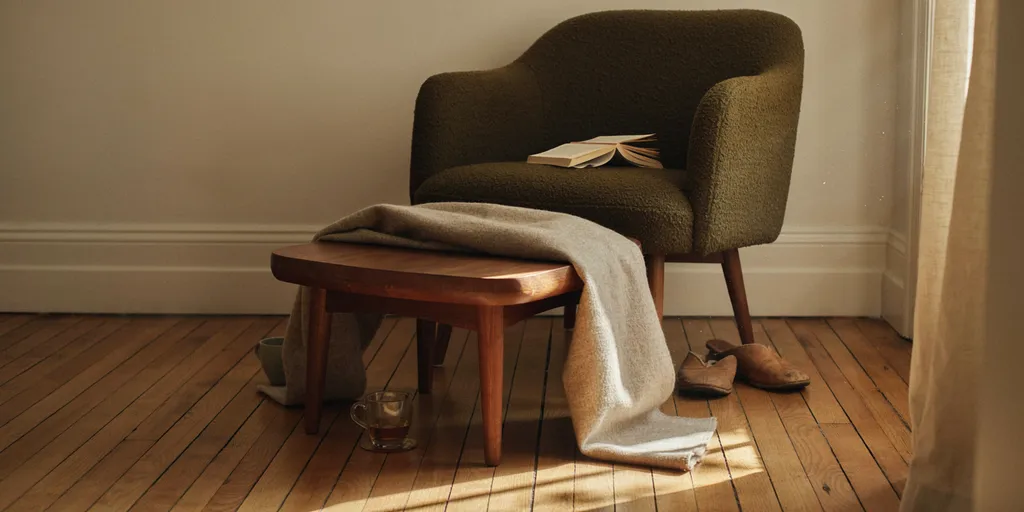
9. Somewhere to put your feet
A low stool or a folded blanket on the floor. Underrated, and it is the difference between twenty minutes and an hour.
10. Keep the corner slightly darker than the room
A pool of lamplight in a dim corner reads as private. The same chair under full room lighting reads as furniture.
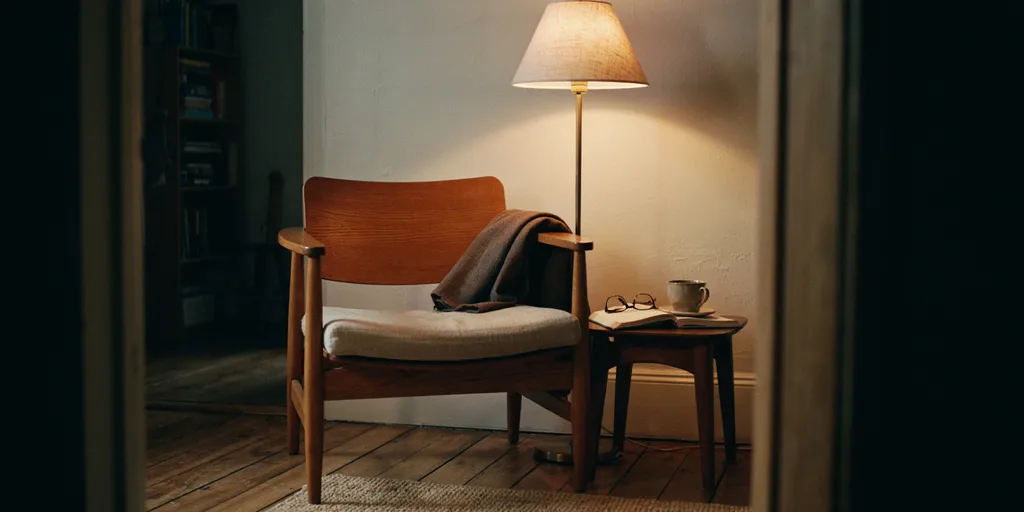
11. Borrow the corner you already avoid
Most apartments have one awkward spot — too narrow for a sofa, too odd for a desk. That is usually the best nook in the place, because nothing else wants it.
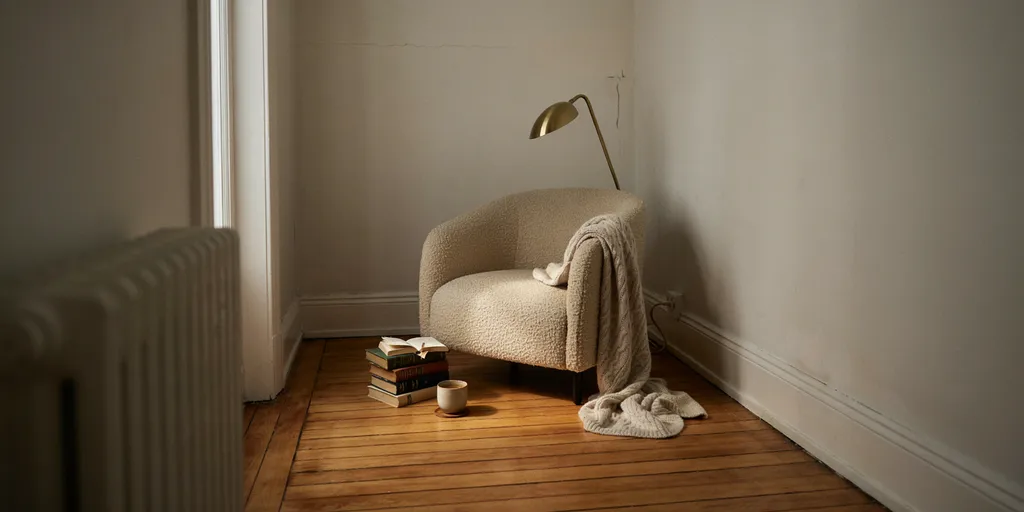
12. Let it be a bit untidy
A reading corner that is always immaculate is one nobody sits in. The half-finished book and the blanket pushed aside are evidence that it works.
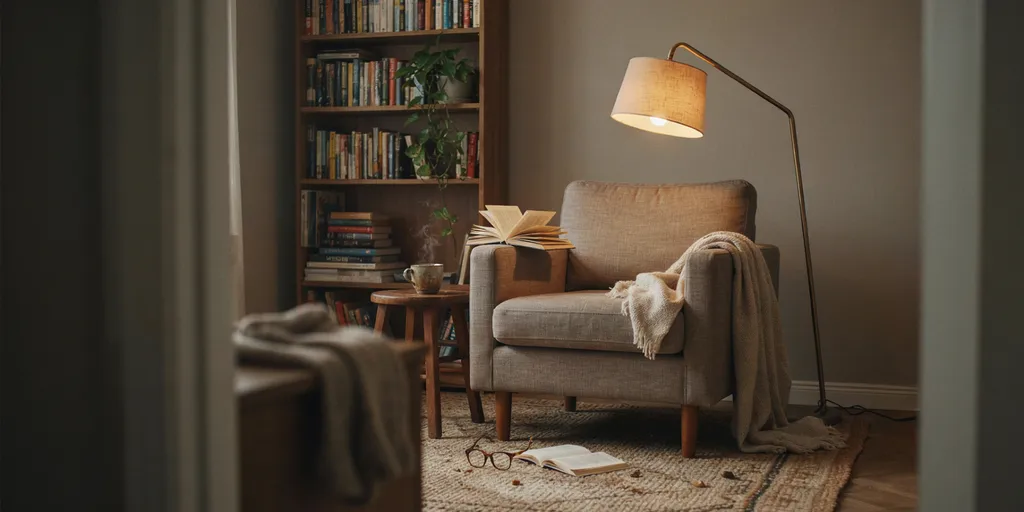
13. Skip the built-in
Window seats look wonderful and are usually the wrong depth to sit in for long. If you rent, a chair you can move is also a nook you can take with you.
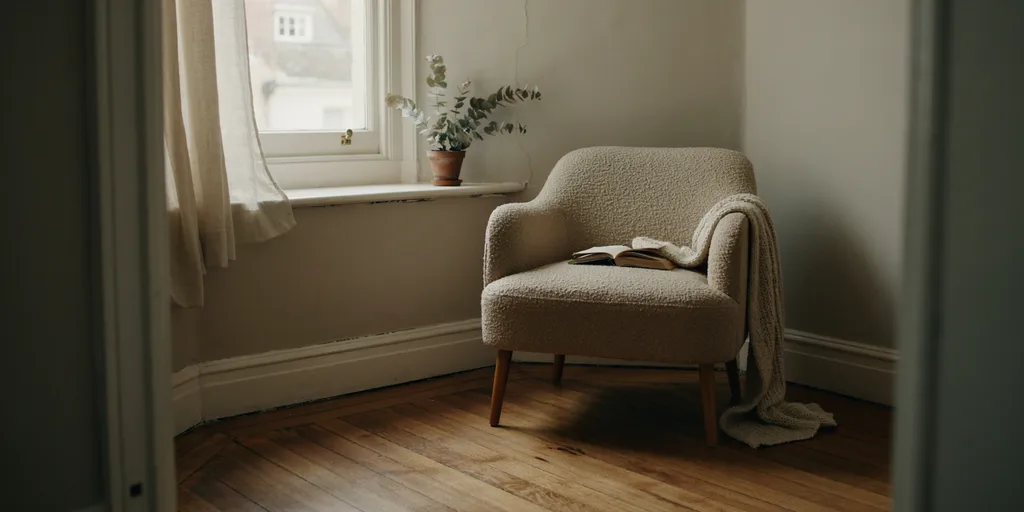
14. One thing to look at when you glance up
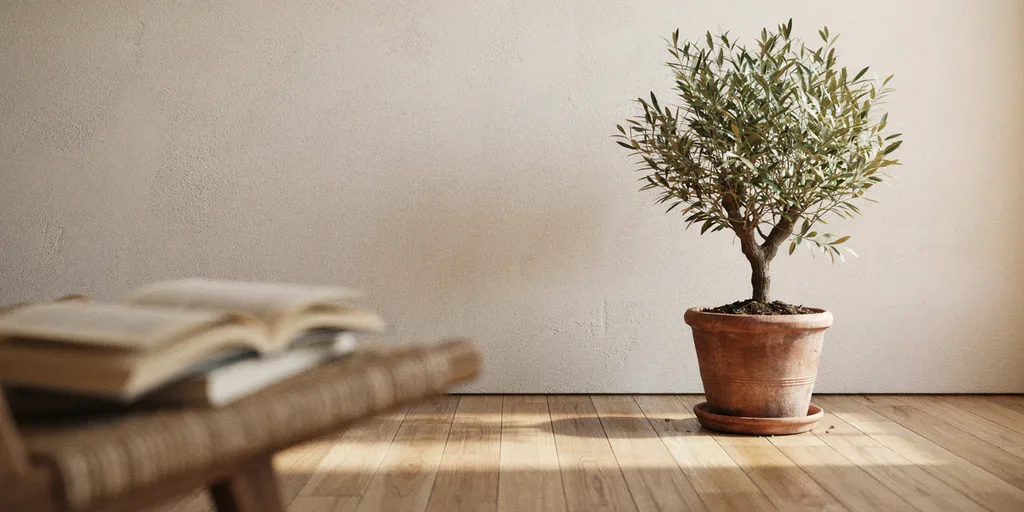
A plant, a picture, the window. Reading involves a lot of looking into the middle distance, and it helps if there is something there.
15. Leave the phone in another room
Not a decorating tip, but it is the one that decides whether any of the above matters.
What we would skip
The basket of blankets. One throw gets used. A basket of four becomes a laundry pile with a lid, and it takes the floor space the footstool needed.
Small-shaded accent lamps. They look correct in the corner and light almost nothing. The shade has to be wide enough to throw light down onto the page, which usually means a larger lamp than the corner seems to want.
A bookshelf inside the nook. It turns the corner into storage, and storage attracts everything that is not a book. Keep the shelves on another wall — we go through what belongs on them in shelf decor.
A scented candle as the finishing touch. It photographs the idea of calm rather than producing any. The lamp does more.
Where we would start
Chair first, lamp second, surface third, in that order. Each one changes what the next has to be: the height of the arm decides the height of the table, and the depth of the seat decides where the light has to come from.
If nothing in the room is free, look at the corner you already walk past. The leftover spaces that are too narrow for furniture are the ones we keep coming back to in storage ideas for small spaces, and a chair needs less room than a cabinet.
If the living room genuinely has no spare corner, the bedroom usually does, and it is already the quieter room — see cozy bedroom ideas for where it fits without taking over.
Questions we get asked
How much space does a reading nook need?
About three feet square is enough for a chair, a small surface and a lamp. The constraint is rarely floor area — it is usually finding a corner that is not already in the path between two doors.
What kind of chair works best?
One with a back you can lean into at a slight angle and arms at a height where your elbows rest naturally. Deep lounge chairs look right in photographs and put your neck at the wrong angle for a book.
Can a bedroom corner work?
Yes, and often better than a living room — fewer interruptions and it is already the quieter room. Keep it far enough from the bed that it does not become a place for clothes.
Does a reading nook need a window?
No, and the windowless ones are often better after dark. A window gives you daylight for part of the year and a cold draught for the rest of it. What the corner actually needs is one lamp placed properly, which you control all year.
How do I stop it becoming a dumping ground?
Leave no flat surface larger than a mug and a book. A wide side table collects post, keys and a folded sweater within a week. The stool that is slightly too small is the one that stays clear.
Is a floor lamp or a table lamp better?
A floor lamp, if the corner allows it. It puts the light above and behind your shoulder without taking the small surface you need for the cup. A table lamp only works when the table is tall enough that the shade sits above the page.