Warm Neutral Paint Colors: How to Choose One That Stays Warm
Choosing a warm neutral paint color looks easy until the paint is on the wall. The chip in the store looked like soft oatmeal; on the wall it reads pink in the morning and gray in the evening. Most paint regrets with neutrals come from one of two things: an undertone that wasn’t visible on a small chip, or light in the room that changes the color.
This guide doesn’t recommend specific brand colors, because the same color looks different in every room and brands change their ranges. It explains how to choose, so whatever you pick works in your light.
Warm Neutral Paint Colors Are Defined by Their Undertone
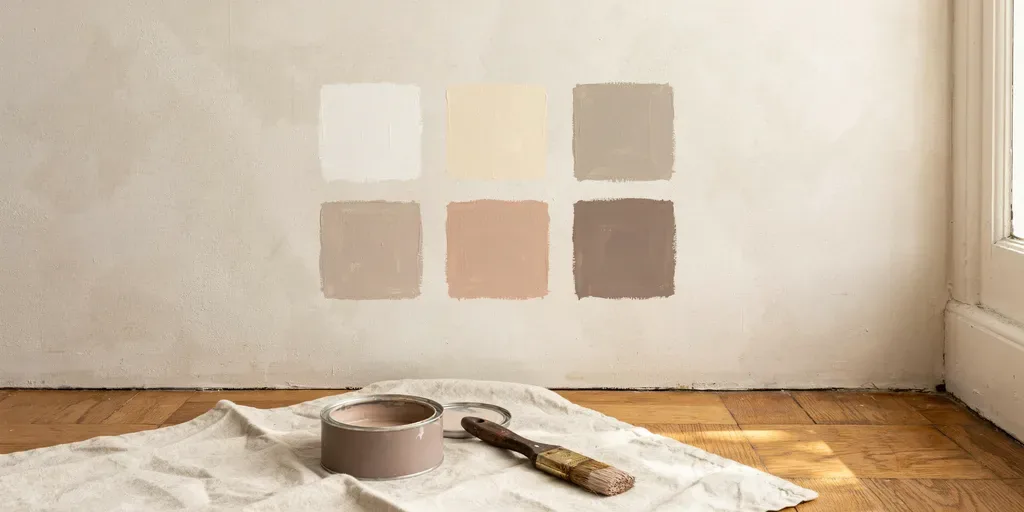
Every neutral has an undertone, a hint of another color mixed in. Warm neutrals lean toward yellow, red or orange. Cool neutrals lean toward blue, green or purple. Two colors that look like the same beige on a chip can behave completely differently on four walls because the undertone multiplies across a large surface.
The goal isn’t to avoid undertones. It’s to know which one you’re choosing.
1. Check the undertone first
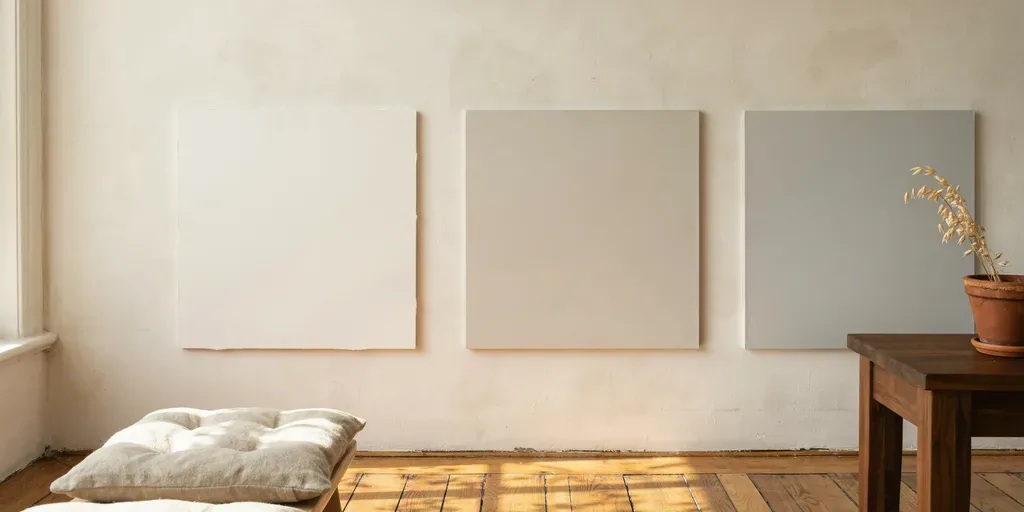
The easiest way to see an undertone is comparison. Put the color next to a pure white sheet of printer paper and next to a few other neutrals. Next to white, a warm white shows its yellow or pink. Next to a cool gray, a greige shows its warmth.
Look at the darkest color on the same paint strip. The undertone is usually much more obvious there than in the light versions.
2. Warm white
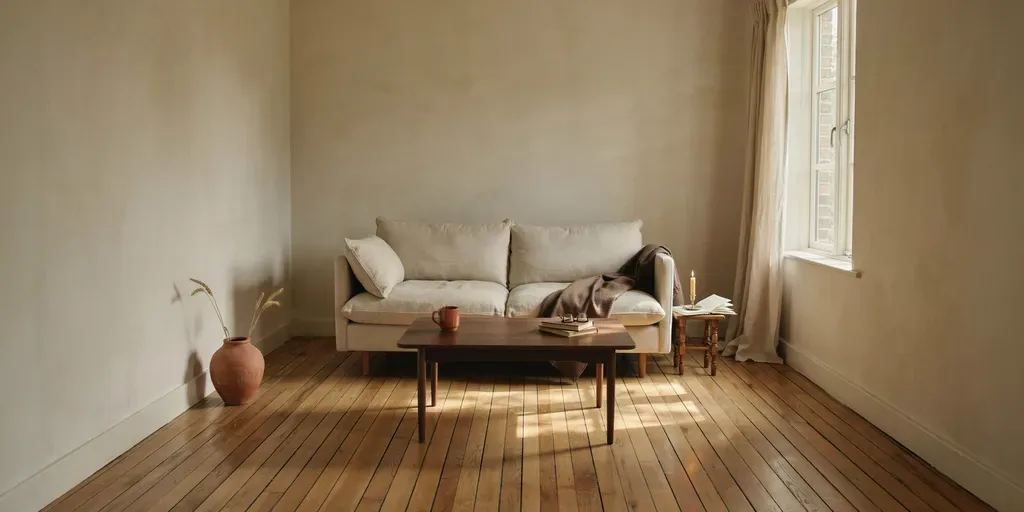
A warm white has a small amount of yellow or red in it. It reads as white in the room but feels softer than a pure bright white, especially with wood floors and linen. It’s the safest starting point for small rooms and for anyone unsure.
Watch for whites that are too yellow. In a room with a lot of warm artificial light they can look cream or even slightly dirty.
3. Greige
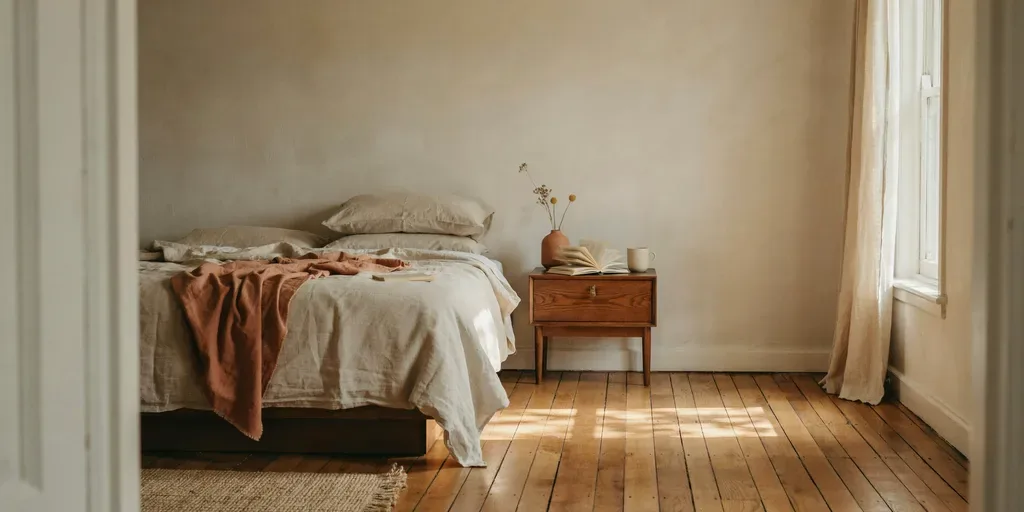
Greige mixes gray and beige. A warm greige leans toward beige and works in rooms that get both warm and cool light, because it doesn’t swing too far either way. It’s a good choice for bedrooms and for rooms that connect to several others.
Some greiges have a green undertone. That isn’t a problem, but check it next to your floor and furniture before committing.
4. Mushroom and taupe
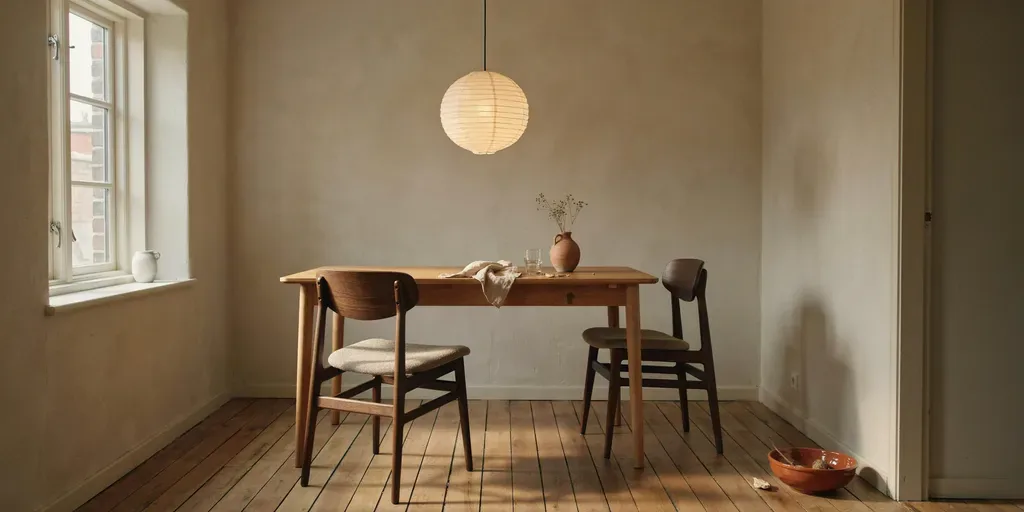
Mushroom and taupe sit in the middle of the neutral range: darker than greige, with a brown or pink-brown base. They suit rooms used mostly in the evening, like dining rooms and dens, where a darker wall makes the space feel wrapped rather than small.
They show the undertone strongly. A taupe with too much purple can feel cold; one with more brown stays warm.
5. Soft clay
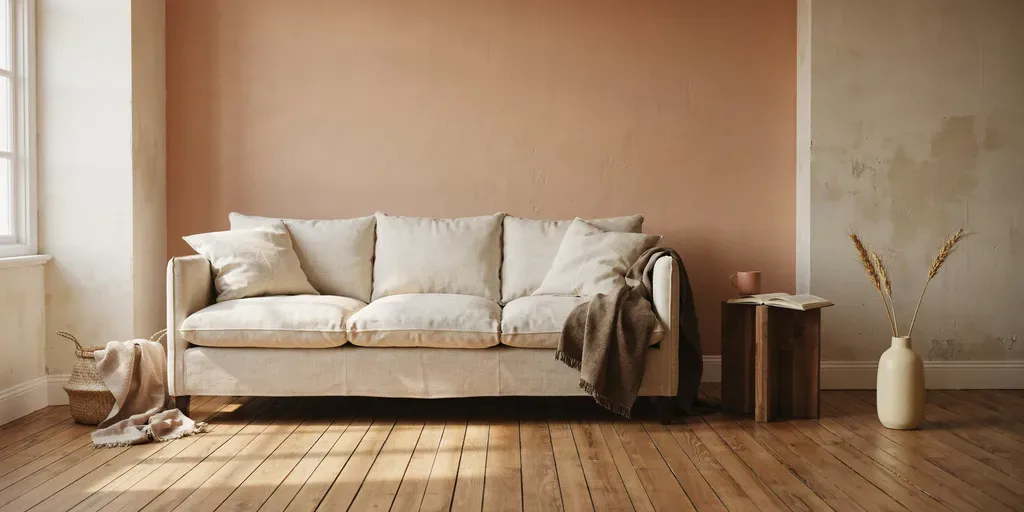
Soft clay and muted terracotta are at the warm edge of neutral. They work best on one wall or in a small space like a hallway or a reading corner, paired with warm white elsewhere. Our article on earthy home decor shows how clay tones sit with wood and linen.
6. How north light changes it
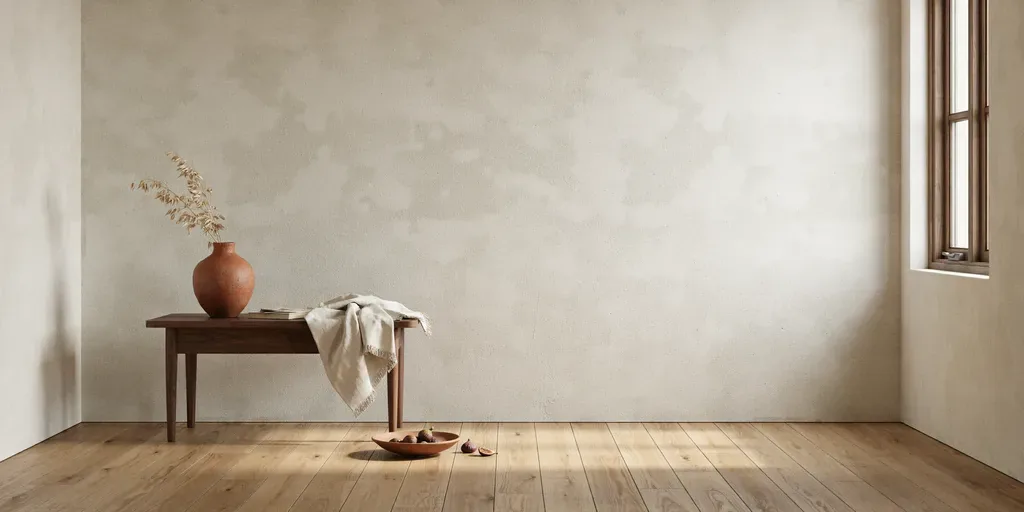
Light direction changes paint more than anything else. In the Northern Hemisphere, north-facing rooms get cool, indirect light all day and make colors look grayer and cooler. South-facing rooms get warm, strong light and can make warm colors look intense. East-facing rooms are warm in the morning and cool later; west-facing rooms the opposite.
In a north-facing room, choose a neutral one step warmer than you think. In a south-facing room, one step cooler or lighter.
7. Test on boards, not the wall
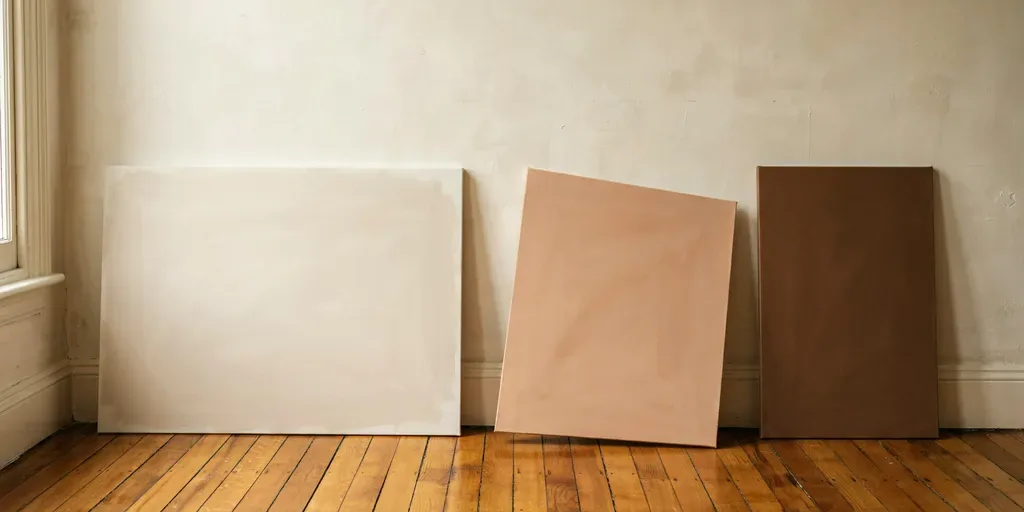
Small patches painted directly on the wall are hard to judge because the old color around them changes how they look. Paint two coats on large white poster boards instead, at least 12 by 18 inches. Move them to different walls and look at them in the morning, at midday and in the evening, with the lamps on.
Take two days before deciding. Most people change their mind at least once.
8. Trim and ceiling

Bright white trim next to a warm wall can make the wall look dirty by contrast. Two options work well: trim in the same color as the walls in a higher sheen, or trim in a warm white that shares the wall color’s undertone. Ceilings in a slightly lighter version of the wall color feel softer than a stark ceiling white.
How Much Paint, and Which Sheen
Once the color is chosen, two practical questions remain.
Quantity. A gallon of paint covers roughly 350 to 400 square feet with one coat, depending on the product and the wall. For a 12-by-12-foot room with 8-foot ceilings, the walls are about 384 square feet before subtracting windows and doors. Two coats usually need two gallons. Always buy enough of the same batch for the whole room, or mix the cans together before starting, so the color is consistent.
Sheen. The finish changes how a neutral reads:
| Sheen | Best for | Note |
|---|---|---|
| Flat or matte | living rooms, bedrooms, ceilings | hides wall flaws, harder to clean |
| Eggshell | most walls | slight sheen, easy to wipe |
| Satin | kitchens, bathrooms, hallways | more durable, shows flaws more |
| Semi-gloss | trim and doors | very durable, reflects light |
Warm neutrals tend to look softest in matte or eggshell. A higher sheen reflects more light, which can make a warm color look slightly cooler and brighter.
What We Would Skip
Choosing from a small chip under store lighting.
Painting a north-facing room in a cool gray. It usually ends up looking flat.
Mixing neutrals with different undertones in rooms that connect.
Testing only in daylight. Most living rooms are used in the evening.
Where We Would Start
Pick three candidates from the same family, paint large boards, and live with them for two days. If in doubt, choose the warm white.
Paint is the base for everything else. Our guide to a warm neutral living room shows what to build on top of it, and neutral bedroom decor does the same for the bedroom.
Questions We Get Asked
What is the difference between warm and cool neutral paint?
Warm neutrals have yellow, red or orange undertones. Cool neutrals have blue, green or purple undertones. The difference shows most on large surfaces.
How do I find a paint color’s undertone?
Compare it to pure white paper and to other neutrals, and look at the darkest color on the same paint strip.
What paint color is best for a north-facing room?
A warm neutral, one step warmer than you’d choose for a south-facing room, because north light pulls colors cooler.
Should trim be white with warm neutral walls?
It can be, as long as the white shares a warm undertone. Bright cool white trim can make warm walls look dirty.
How many paint samples should I try?
Two or three in the same family, painted on large boards and checked at different times of day.
Is greige warm or cool?
It depends on the mix. Greiges that lean toward beige are warm; those that lean toward gray or green are cooler.
How much paint do I need for a bedroom?
For an average 12-by-12-foot bedroom with two coats, usually about two gallons for the walls.