12 Warm Neutral Living Room Ideas That Are Not Beige
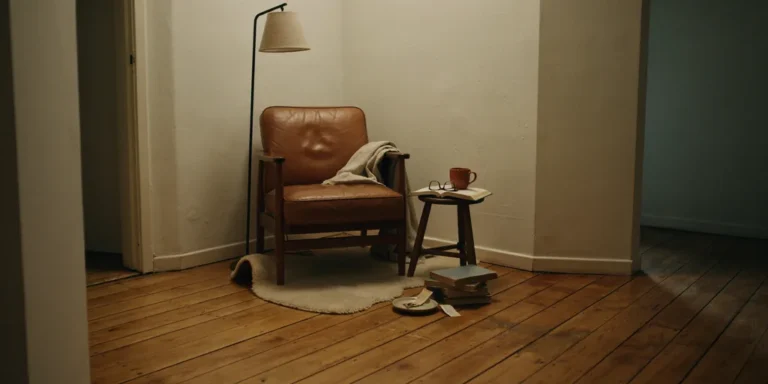
Somewhere along the way, the warm neutral living room got flattened into beige. Open any catalogue and you get the same room: oatmeal sofa, oatmeal cushions, oatmeal walls, one dried branch in a vase. It photographs well and it feels like nothing.
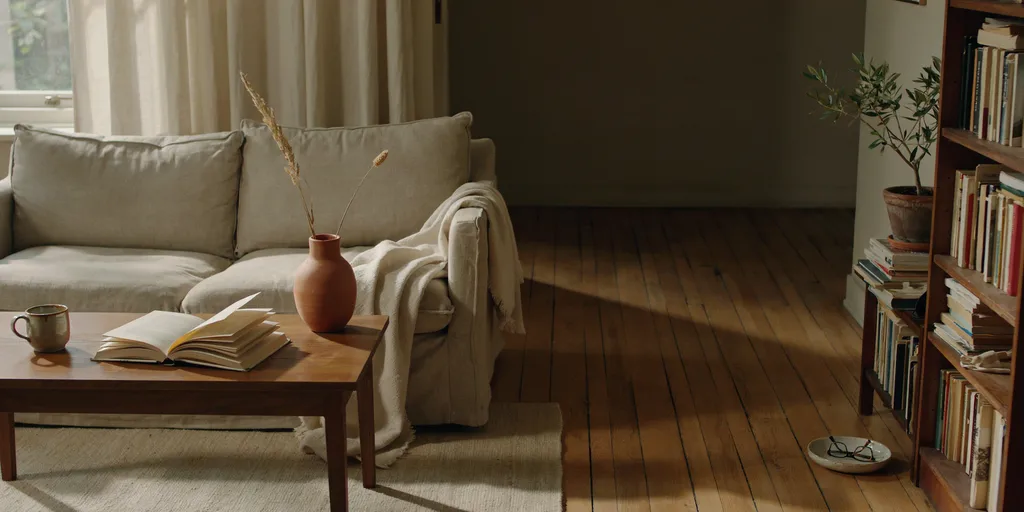
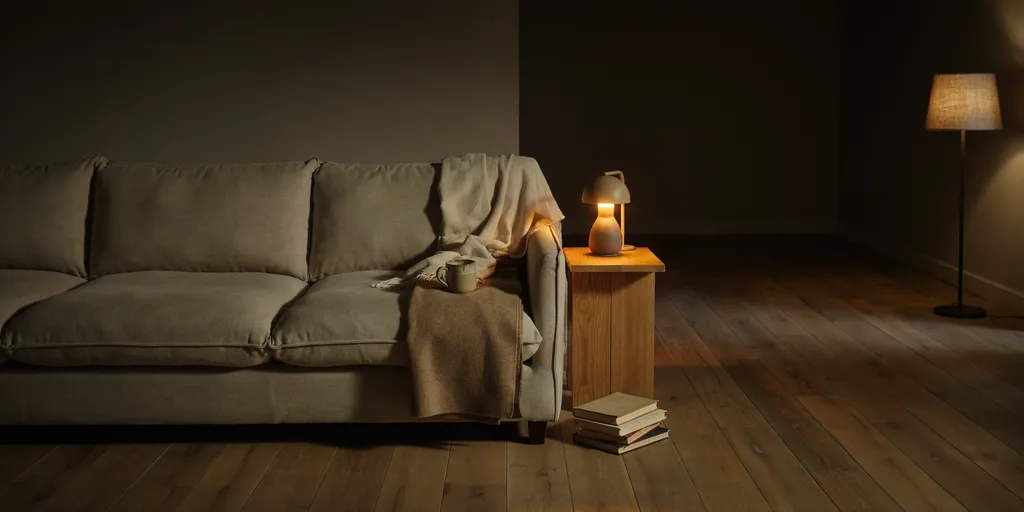
A warm neutral room is not a colorless one. It is a room where the color comes from material rather than paint — from wood, linen, clay and the light that moves across them. Here are twelve things we keep coming back to.
Warm Neutral Living Room Ideas That Start With Light
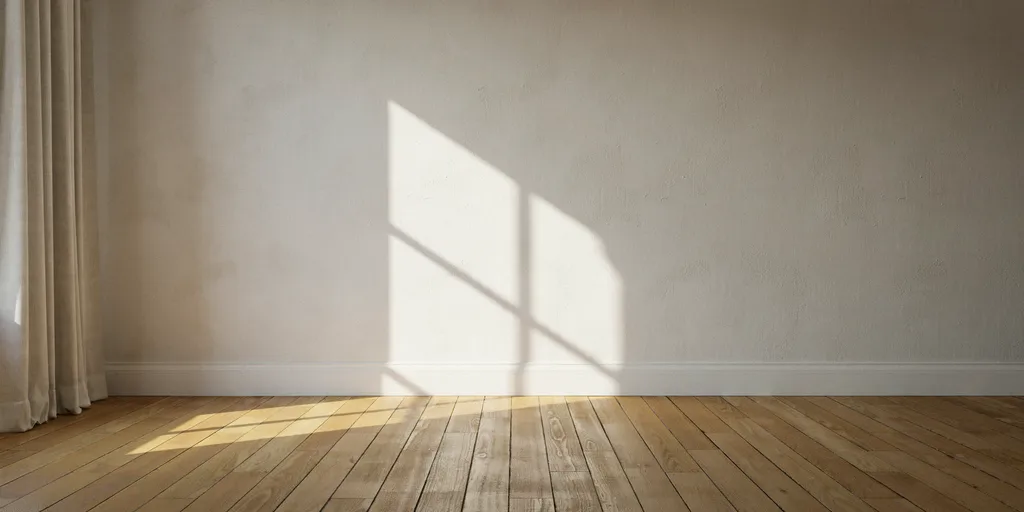
1. Start with the light you actually have
North-facing rooms make every white look gray. South-facing rooms make cream look yellow by four in the afternoon. Before choosing anything, sit in the room at the hour you actually use it and look at what the light does. Everything else follows from that.
2. Pick three materials, not three colors
Wood, linen, wool. Or plaster, cotton, brass. Three is enough for a room to feel considered and few enough that it stays quiet. Color schemes date; material palettes do not.
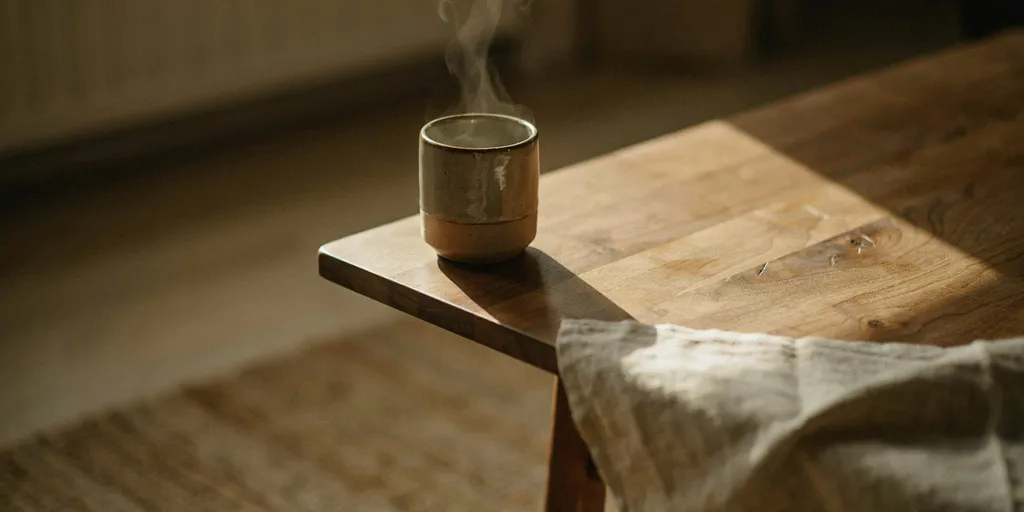
3. Let one thing be darker than everything else
A room of mid-tones has no depth. One darker object — a bookcase, a chair, a single wall — gives the eye somewhere to land and makes the pale things read as deliberate rather than washed out.

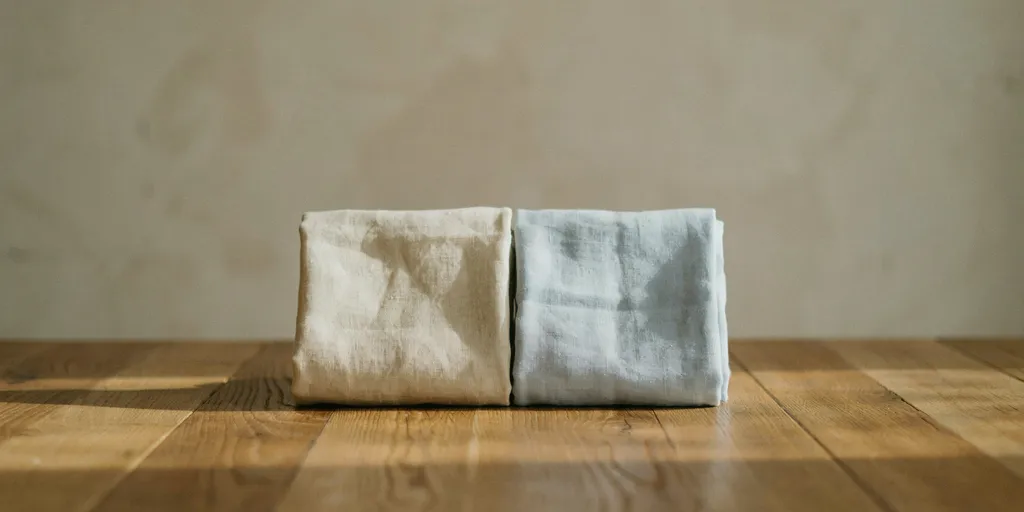
4. Unbleached linen instead of white cotton
Bleached white goes gray in the wash and never recovers. Unbleached linen starts slightly uneven and gets softer for years. The irregularity is the point — it keeps a pale room from looking sterile.

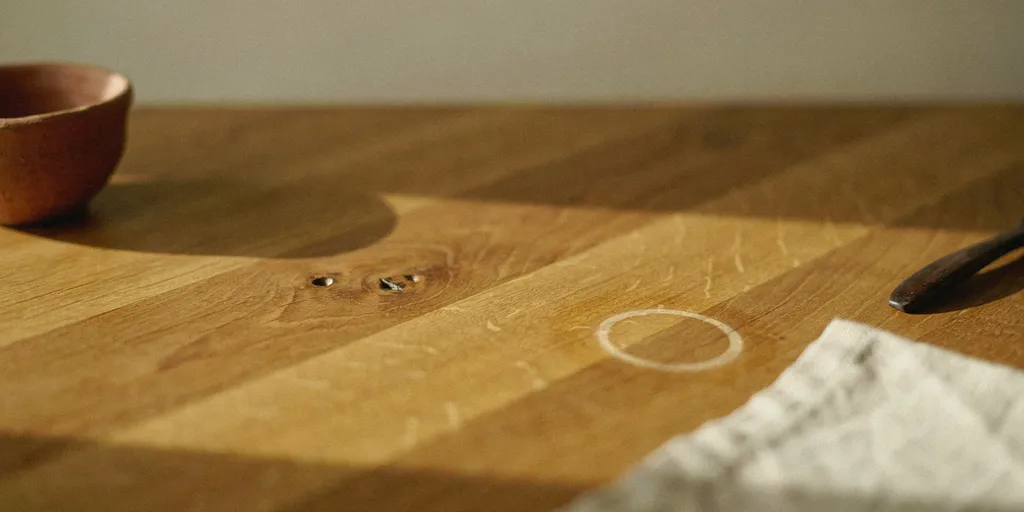
5. Wood that still looks like wood
Oiled or waxed, not high-gloss lacquered. You want to see the grain and you want small marks to disappear into it rather than sit on top. A lacquered surface shows every scratch and never improves.
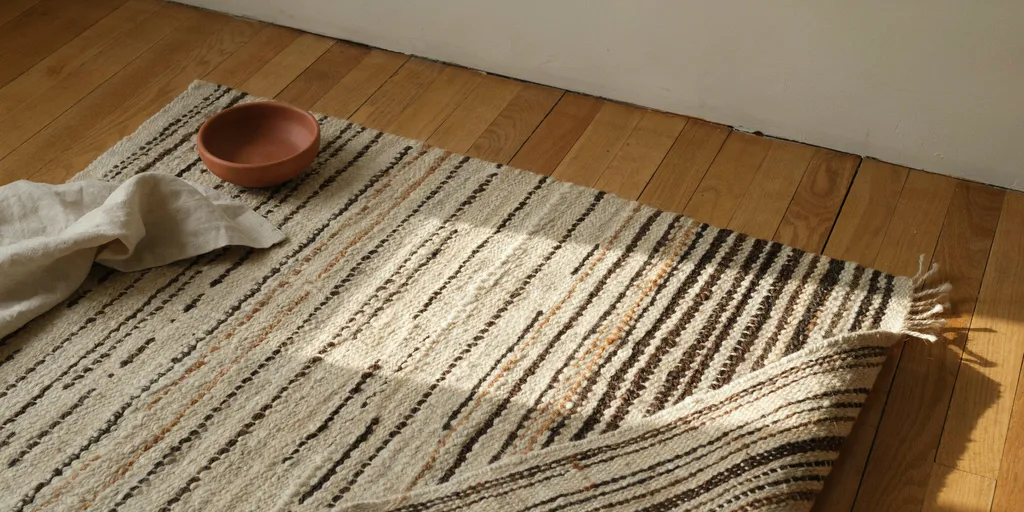
6. A rug with something going on in it
Flat, single-tone rugs are the fastest way to make a neutral room feel flat. Look for texture instead of pattern — a loose weave, a subtle stripe, wool with two shades spun together.
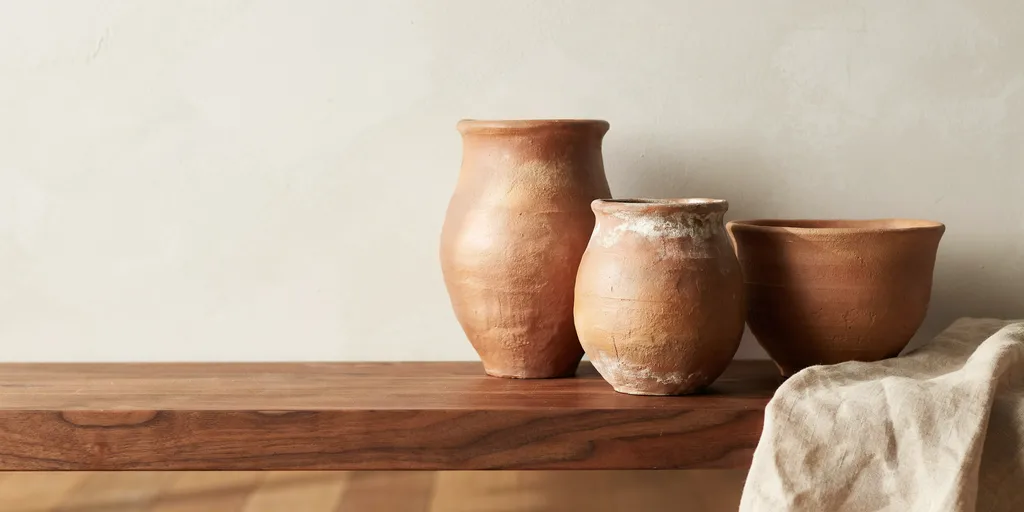
7. Clay rather than cream
If you want one warm accent, terracotta and unglazed ceramic do more work than a cream cushion ever will. They bring warmth without introducing a color that has to be matched elsewhere.
8. Keep the whites on the warm side
A cool white next to warm wood reads as a mistake, even when nobody can say why. If the room has any timber in it, the wall white should lean the same direction.
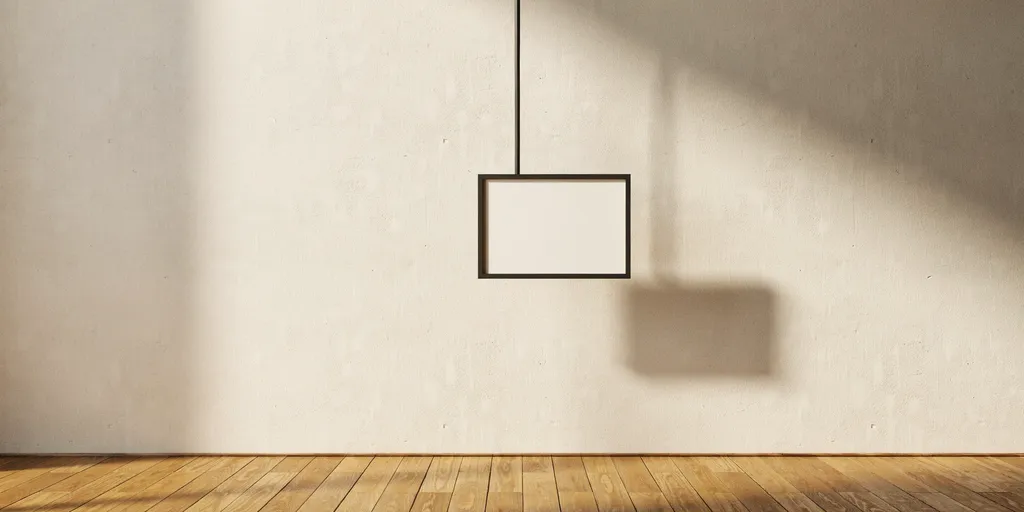
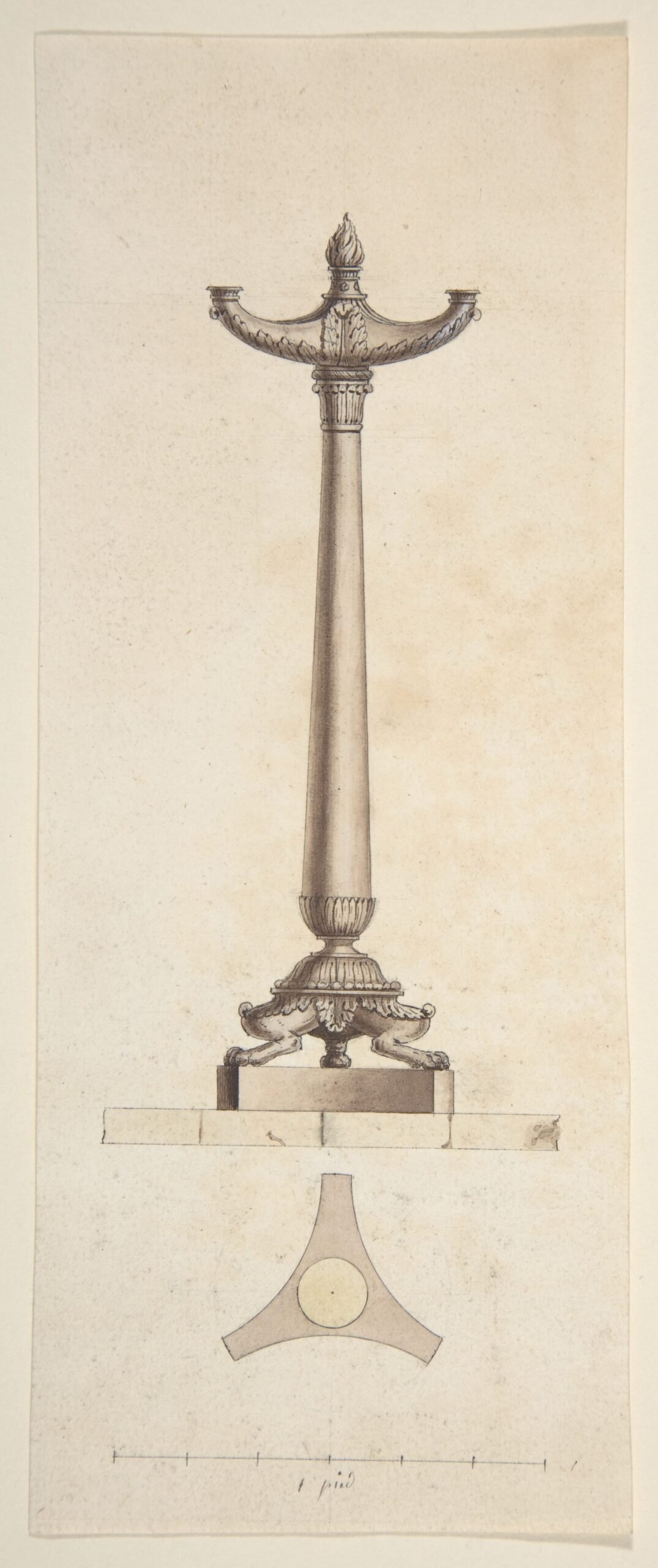
9. One black line
A slim black frame, a lamp stem, the legs of a side table. One thin dark line stops a soft room from dissolving. Two or three and it starts to look styled.
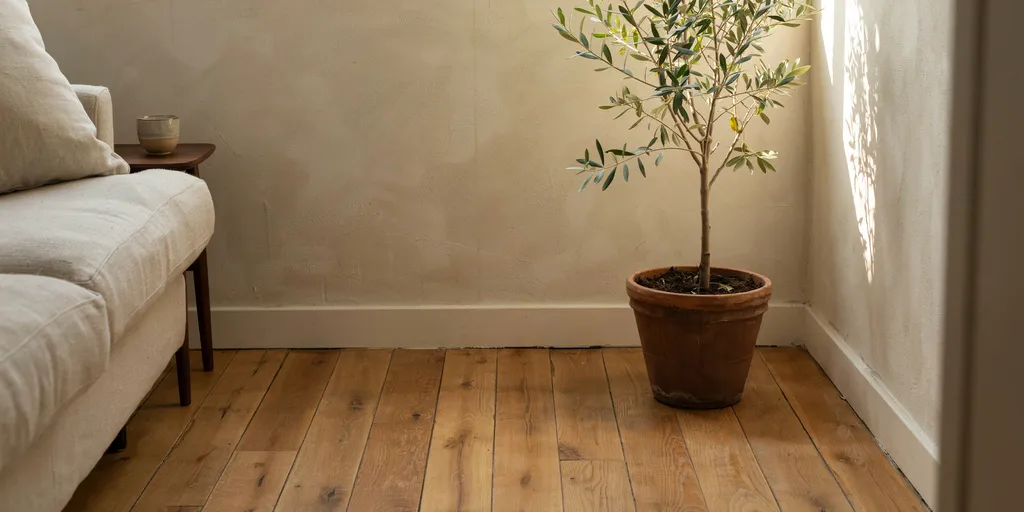
10. Let the plants be the only green
If the cushions, the throw and the artwork are all sage, the actual plant disappears. Keep green out of the textiles and it comes back as something alive rather than a color scheme.
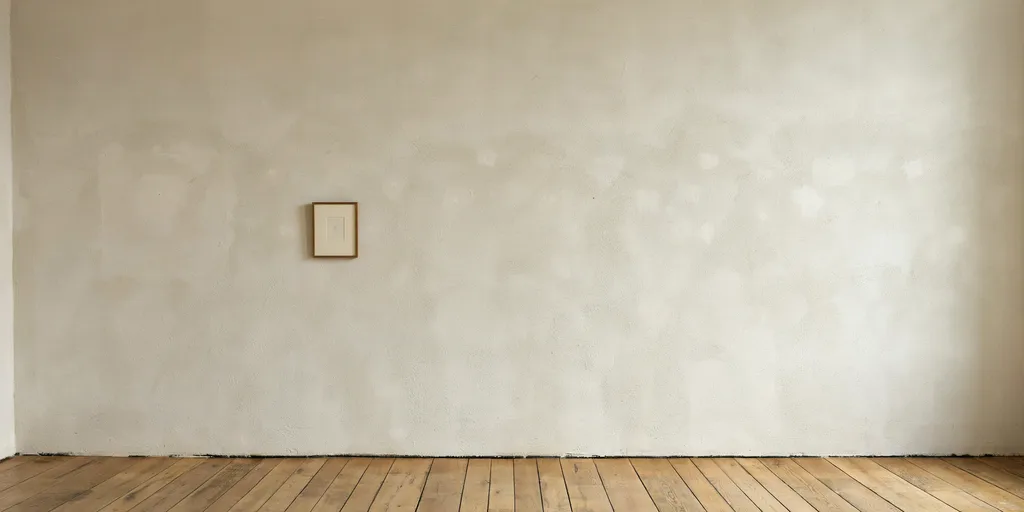
11. Leave most of the wall bare
One picture on a long wall looks intentional. Five pictures look like a gallery wall you have to keep balanced. Empty wall is not unfinished — it is where the light lands.
12. Let it change through the day
Two or three low lamps rather than one ceiling light. A warm neutral room lives or dies on the evening, and a single bright fixture flattens everything you spent the daylight hours getting right.
Questions we get asked
Is warm neutral the same as beige?
No. Beige is a color; warm neutral is a temperature. A room can be warm neutral and still contain charcoal, clay, deep brown and off-white — what makes it neutral is that no single color is asking for attention.
Does a warm neutral room work in a dark flat?
Often better than a cool scheme. In low light, cool whites turn gray and the room reads as cold. Warm tones hold their character when there is less daylight to work with.
Where should I start if the room is already beige?
With the darkest thing you can add rather than anything else you take away. Most flat beige rooms are missing contrast, not color.